Have you ever wondered why some people seem to have a magical “green thumb” while others struggle to keep a cactus alive? Based on extensive research into plant physiology, I can tell you that the secret isn’t magic—it’s actually all about picking species with the right biological survival kits for your home. Choosing the right indoor plants for beginners can actually transform your air quality and mood.
If you want to build a sustainable indoor jungle, you need to look for easy indoor plants for beginners that have evolved to handle high stress. For a foundational understanding of light and hydration, read our The Ultimate Beginner Guide for Indoor Plant Care.
Here are the top 10 easy indoor plants for beginners that use fascinating cellular tricks to thrive in your living space.
1. Snake Plant (Sansevieria trifasciata)
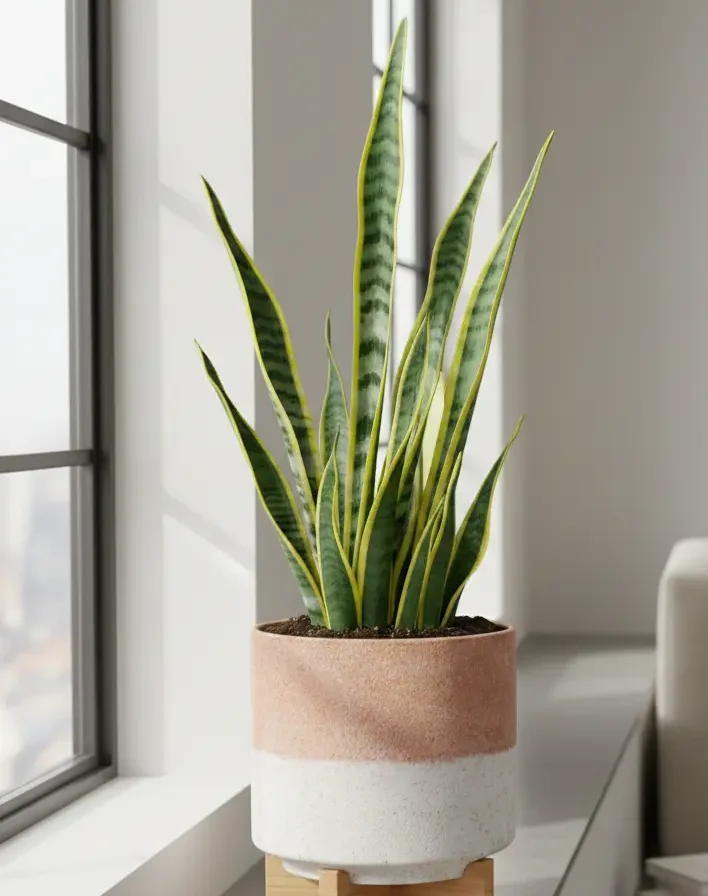
Botanical Resilience of Snake Plant
Botanical research shows that the Snake Plant is a champion of the “night shift” because it uses Crassulacean Acid Metabolism (CAM). While most plants lose water by breathing during the day, this plant saves its breath for the night, keeping its pores closed while the sun is out to prevent dehydration.
How to Keep your Snake Plant Happy?
The Snake Plant is perfectly happy in a low-light North window but can handle almost any spot in your house. You only need to water it when the soil is completely bone-dry.
What the Studies Really Say?
Research by NASA confirms this plant is a nocturnal oxygen factory, making it one of the few species that actually improves your sleep environment by cleaning the air while you rest.
In the original 1989 report, this plant goes by its older botanical name. If you want to check out the data yourself, you can find it listed as ‘Sansevieria laurentii’ on page 17 of the NASA document.
2. ZZ Plant (Zamioculcas zamiifolia)
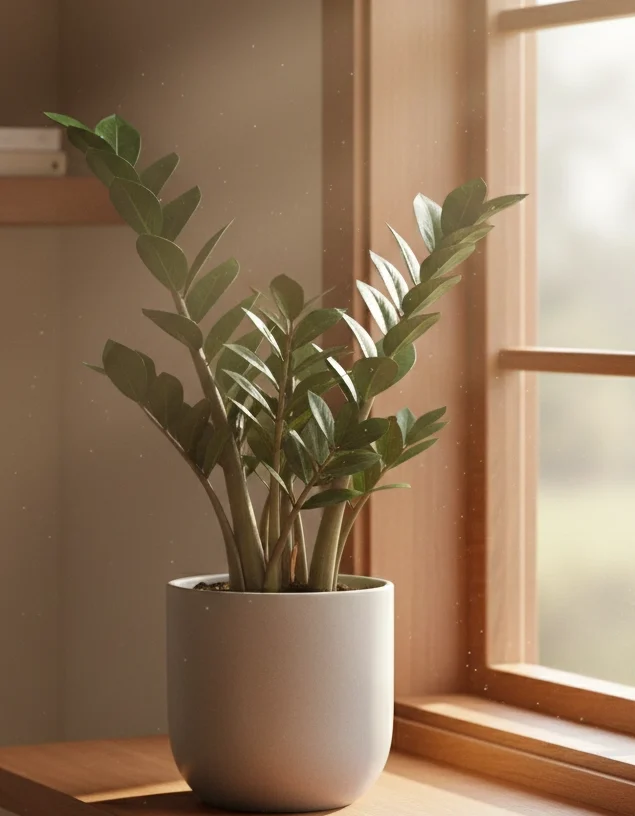
Botanical Resilience of ZZ Plant
I’ve found that the ZZ plant is nearly indestructible thanks to its large, succulent underground rhizomes. Think of these as built-in water tanks that store enough liquid to keep the plant’s metabolism running for months without a single drop of rain.
Growth Essentials of ZZ Plant
It thrives in low light (500–1000 lux) but will grow faster if you give it some indirect sun. Water it very sparingly, roughly once every month or two.
The “Pro Tip” of ZZ Plant
Because this plant is a “slow metabolizer,” botanical studies show that over-fertilizing is a common mistake; keep the nutrients low to avoid chemical root burn.
3. Pothos (Epipremnum aureum)
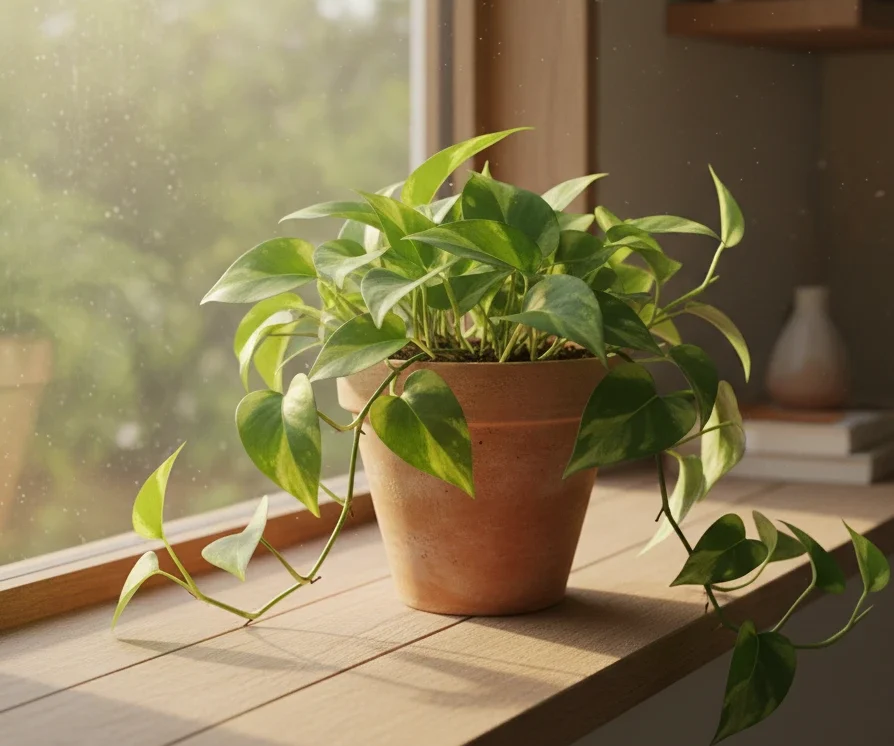
Botanical Resilience of Pothos Plant
Pothos is one of the best indoor plants for beginners because it has incredibly high chlorophyll efficiency. This means it can squeeze every bit of energy out of even the dimmest light, allowing it to maintain its growth in corners where other plants would wither.
Growth Essentials of Pothos Plant
It loves medium indirect light but can survive in a windowless bathroom if there’s a nearby light source. Give it a drink only when the top inch of soil feels dry.
The “Pro Tip” of Pothos Plant
Research shows that dust acts as a barrier to photosynthesis; wiping the leaves with a damp cloth every few weeks can significantly boost your plant’s energy levels.
4. Spider Plant (Chlorophytum comosum)
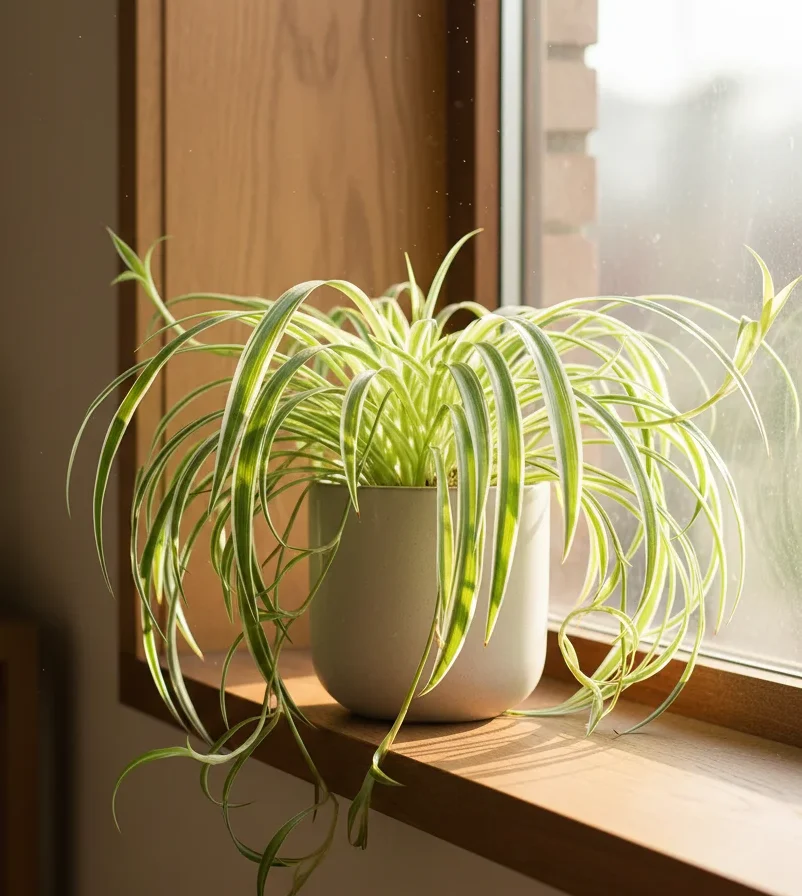
Botanical Resilience of Spider Plant
This plant is famous for its stolons, or “runners,” which act as lifelines for its babies. It shares nutrients with its offspring until they are strong enough to grow their own roots, ensuring the next generation survives even if conditions get tough.
Growth Essentials of Spider Plant
It prefers the “cool sun” of an East-facing window. Keep the soil moist, but make sure your pot has drainage holes so the roots don’t drown.
The “Pro Tip” of Spider Plant
According to ASPCA data, this is one of the safest easy care indoor plants for homes with curious cats or dogs, as it is completely non-toxic.
5. Peace Lily (Spathiphyllum)
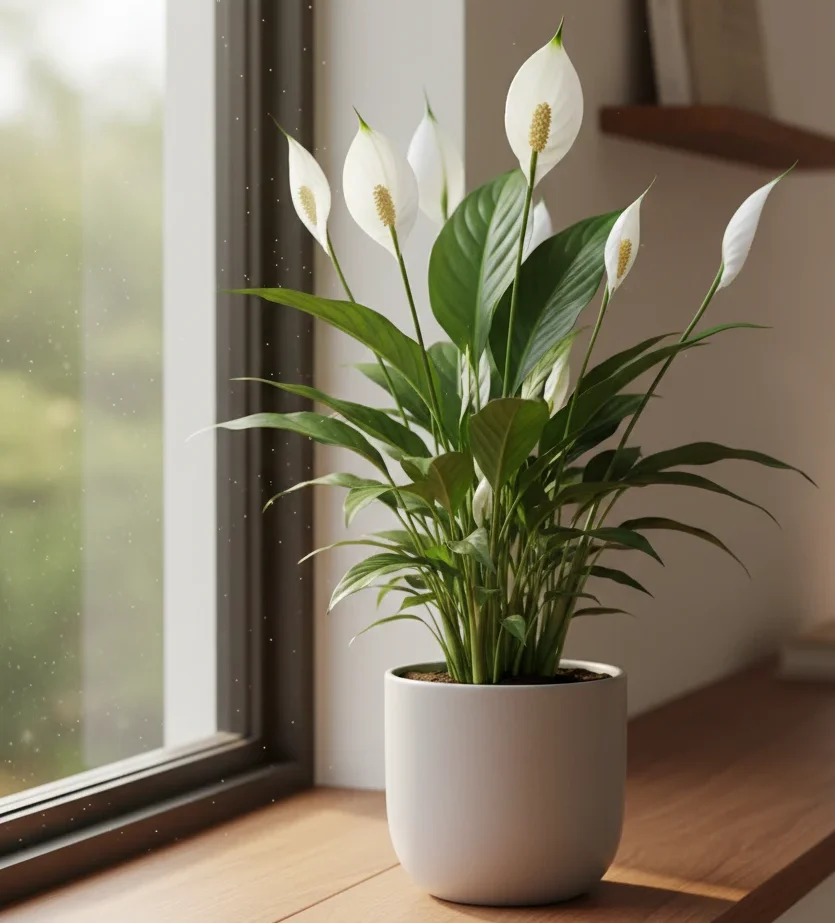
Botanical Resilience of Peace Lily
The Peace Lily uses its turgor pressure as a biological alarm system. When its internal water levels drop, the plant visibly wilts to let you know it’s thirsty, but its flexible cellular walls allow it to “spring back” to life within hours of a drink.
Growth Essentials of Peace Lily
It’s a low-light specialist that thrives in North windows. It likes consistent moisture but hates “wet feet,” so always empty the saucer after watering.
The “Pro Tip” of Peace Lily Plant
Studies on physiological disorders show this plant is sensitive to fluoride in tap water; if you see brown tips, try switching to filtered water to keep the leaves pristine.
6. Aloe Vera
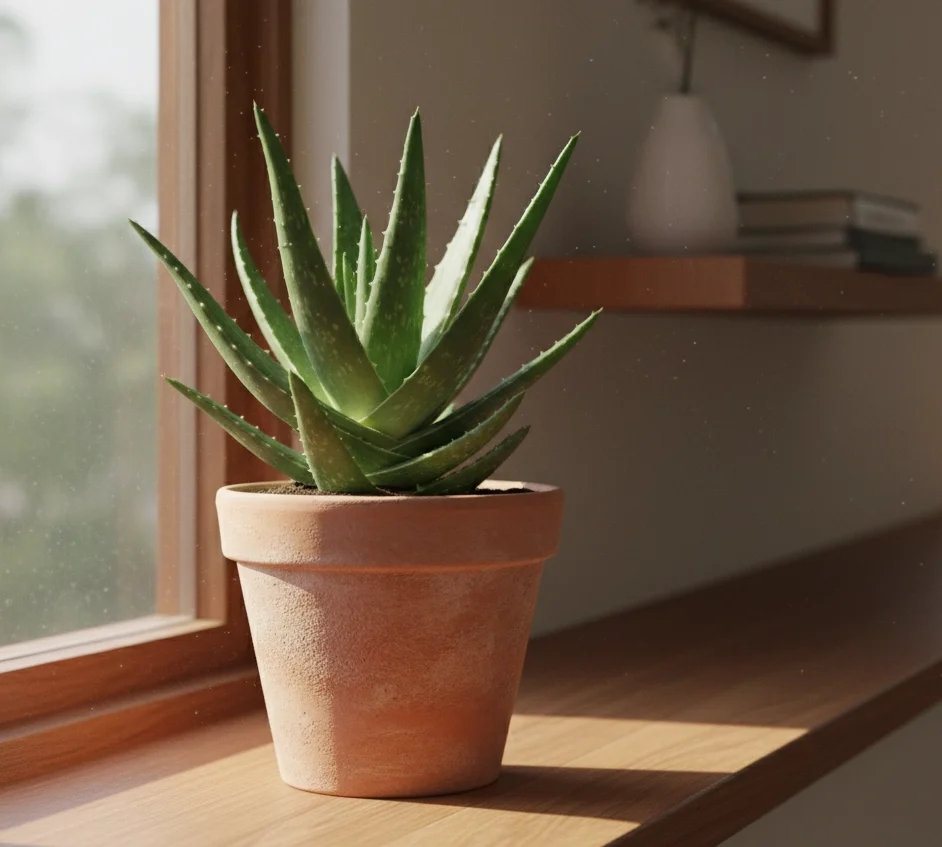
Botanical Resilience of Aloe Vera Plant
Aloe Vera is built for the desert, featuring thickened parenchyma tissue that acts as a gel-like reservoir. It also uses CAM photosynthesis, making it a master at surviving heat waves and dry indoor air.
Growth Essentials of Aloe Vera Plant
This sun-worshipper needs a bright, South-facing window to stay healthy. Water it very sparingly, as its roots are highly susceptible to rot if the soil stays damp.
The “Pro Tip” of Aloe Vera Plant
Beyond its beauty, the 3,500-year-old Ebers Papyrus and modern data confirm the aloin in its gel is scientifically proven to speed up skin healing for minor burns.
7. Cast Iron Plant (Aspidistra elatior)
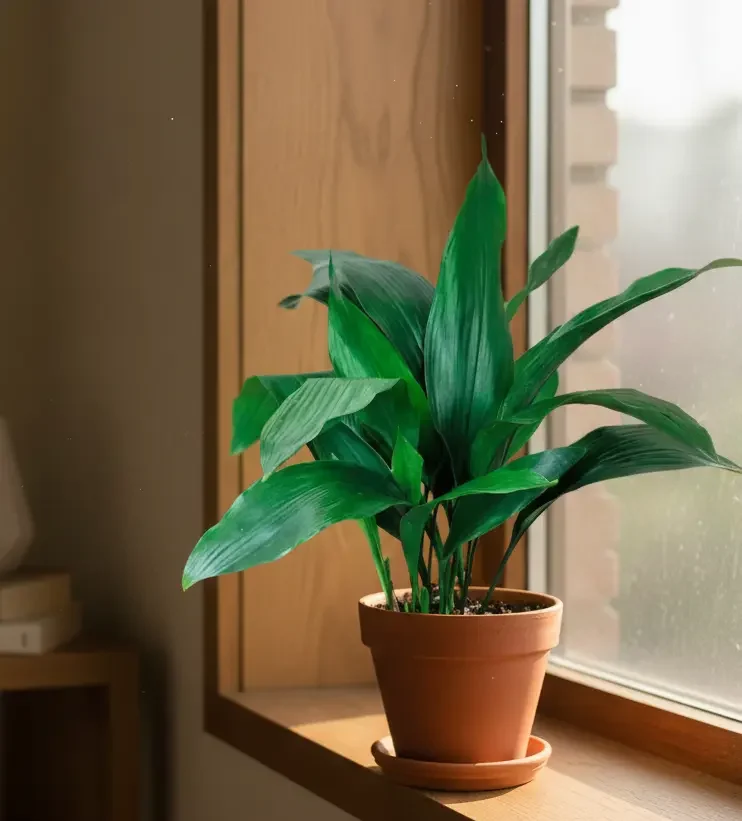
Botanical Resilience of Cast Iron Plant
There’s a reason for the name; this plant has an incredibly slow metabolic rate. It doesn’t need much of anything to survive, making it the perfect choice for those “dead zones” in your home where nothing else will grow.
Growth Essentials of Cast Iron Plant
It is one of the few plants that prefers deep shade. Water it once every week or 10 days, letting the soil dry out between sessions.
The “Pro Tip” of Cast Iron Plant
Because it grows so slowly, its roots are very sensitive to being moved; data suggests you should only repot it every few years to avoid terminal root stress.
8. Jade Plant (Crassula)
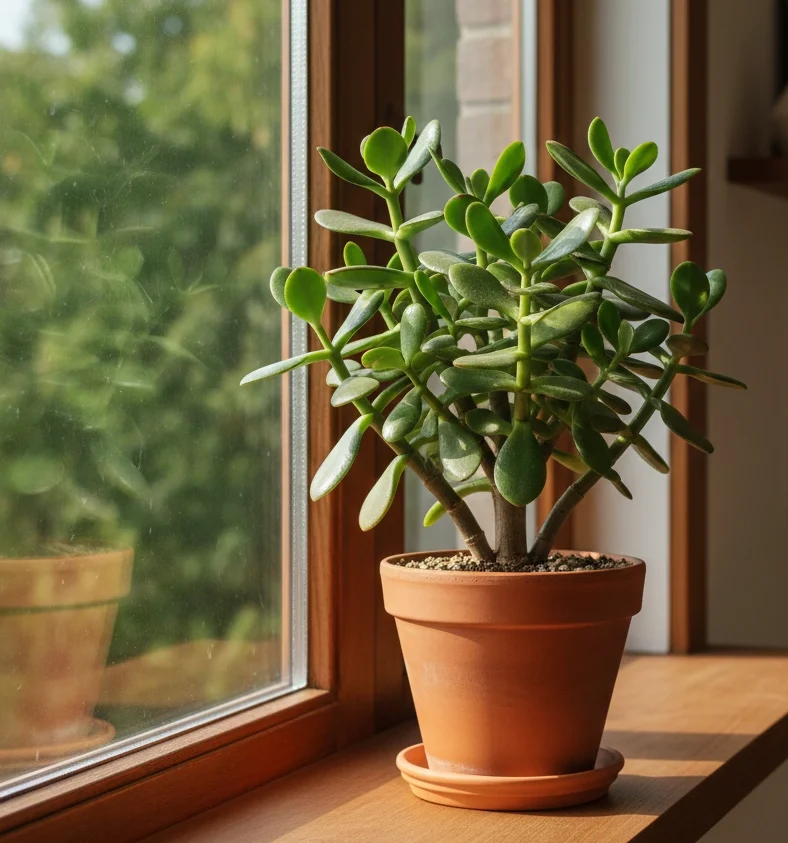
Botanical Resilience of Jade Plant
As a member of the Crassulaceae family, the Jade plant has a waxy, anisotropic cuticle. This “wax armor” prevents water from escaping the leaves, making it one of the most reliable unkillable plants for forgetful waterers.
Growth Essentials of Jade Plant
It thrives in bright, direct sunlight. Like other succulents, the soil should dry out completely before you even think about grabbing the watering can.
The “Pro Tip of Jade Plant
Botanical “hardening” studies suggest that exposing your Jade to cooler autumn temperatures can actually strengthen its cell walls, making it much more resilient during the winter months.
9. Rubber Plant (Ficus elastica)
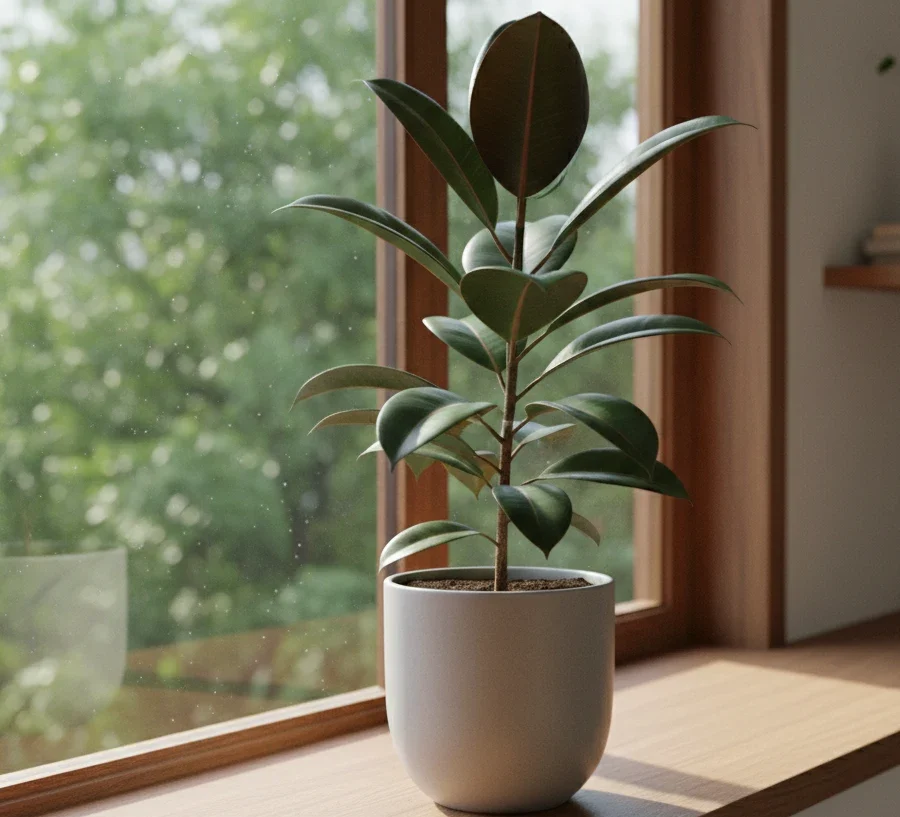
Botanical Resilience of Rubber Plant
The Rubber Plant’s thick, glossy leaves aren’t just for show—they are coated in a glossy cuticle that acts as a physical barrier against pests and keeps moisture locked in, even in centrally heated rooms.
Growth Essentials of Rubber Plant
It prefers bright, indirect light. Keep the soil consistently moist but never soggy, and ensure your pot has excellent drainage.
The “Pro Tip” of Rubber Plant
The milky sap contains protective latex which deters bugs, but research warns it can irritate human skin, so I always recommend wearing gloves when you prune it.
10. Lucky Bamboo (Dracaena sanderiana)
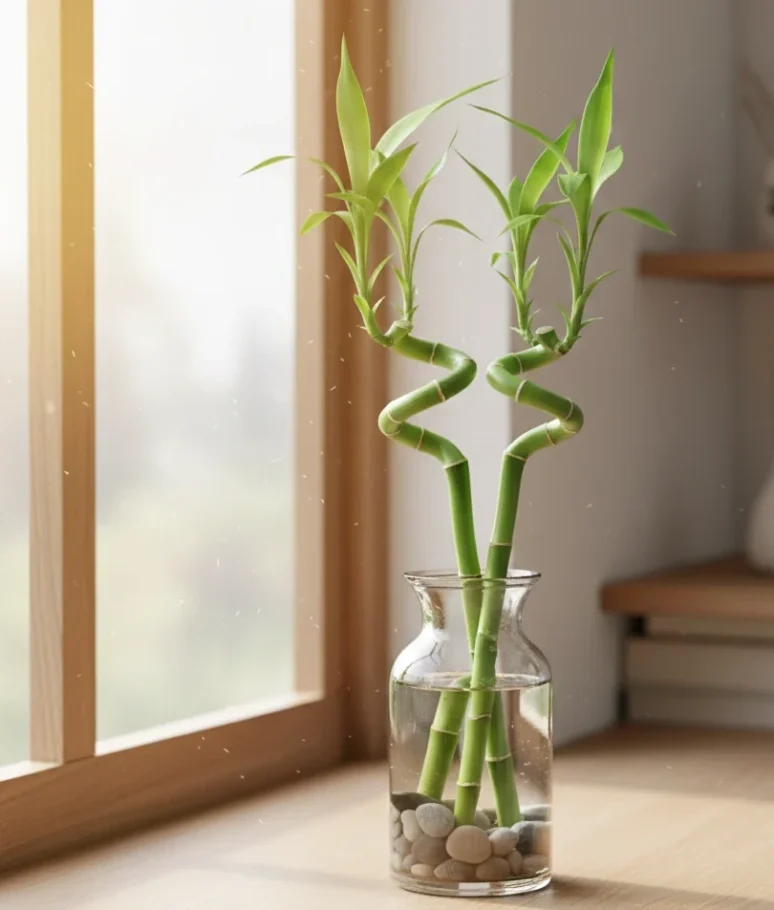
Botanical Resilience of Lucky Bamboo
This plant isn’t actually bamboo; it’s a Dracaena that has adapted to hydroponic conditions. Its roots are incredibly efficient at pulling ions directly from water, allowing it to live without any soil at all.
Growth Essentials of Lucky Bamboo
It thrives in low to moderate filtered light. You can grow it in a vase of water with pebbles, but you must change the water weekly.
The “Pro Tip” of Lucky Bamboo
Botanical data shows that stagnant water can breed anaerobic bacteria that produce root-killing toxins; a quick weekly water refresh is the best way to keep this plant alive for years.